
Do vapes set off smoke alarms? It is one of the most common questions from people who vape indoors, especially as the colder months keep more of us inside. The honest answer is that it can happen, but it usually depends on the type of alarm, how close you are to it and how much vapour your device produces. This guide explains how different alarms react to vapour, why some set-ups are more likely to cause a false alarm, and the simple habits that help you avoid one.
Do Vapes Set Off Smoke Alarms? The Short Answer
Vape devices do not burn anything, so they do not produce smoke. What you exhale is an aerosol of tiny liquid droplets, and to a smoke detector that cloud can look surprisingly similar to smoke. Fire service guidance on vaping in NHS settings notes that exhaled vapour may trigger some types of smoke detector, particularly when a large amount is blown straight into the detector head.
In everyday use, a few small puffs across a well-ventilated room are unlikely to cause a problem. A dense cloud exhaled directly underneath a ceiling detector is a different story.
How Different Smoke Alarms React to Vapour
Most UK homes and buildings use one or more of four main alarm types. Staffordshire Fire and Rescue Service explains each type and where it is normally fitted, which helps explain why vaping sets off some alarms and not others.
Ionisation alarms
These are the cheapest and most widely sold. They are very sensitive to the small particles produced by fast flaming fires, and they are known for being over-sensitive near kitchens. A thick cloud of vapour close by can be enough to trip one.
Optical alarms
Optical (photoelectric) alarms use a light beam to spot larger particles from slow, smouldering fires. They are generally less prone to nuisance alarms from things like burnt toast, but because vapour droplets scatter light, a heavy cloud aimed at the sensor can still set one off.
Heat alarms
Heat alarms react to a rise in temperature rather than particles in the air, which is why they are fitted in kitchens. Exhaled vapour is not hot enough to trigger them, so they are very unlikely to react to vaping.
Combined and multi-sensor alarms
Many newer homes, offices and hotels use combined optical and heat detectors, designed to cut false alarms while still detecting real fires quickly. They tend to cope better with vapour, but they are not immune, and commercial buildings often have more sensitive systems than a typical house.
Why Some Vapes Are More Likely to Trigger an Alarm
The size and density of your cloud matters more than anything else. Larger, more powerful set-ups used for direct-to-lung vaping, with high wattage, low-resistance coils and high-VG e-liquid, produce far more vapour than a compact pod kit. If you are not sure which style you use, our guide to direct to lung vs mouth to lung vaping explains the difference.
E-liquid ratio plays a part too. Vegetable glycerine (VG) is what creates thick clouds, while propylene glycol (PG) carries flavour with a thinner vapour. Our article on high PG vs VG e-liquids covers this in more detail.
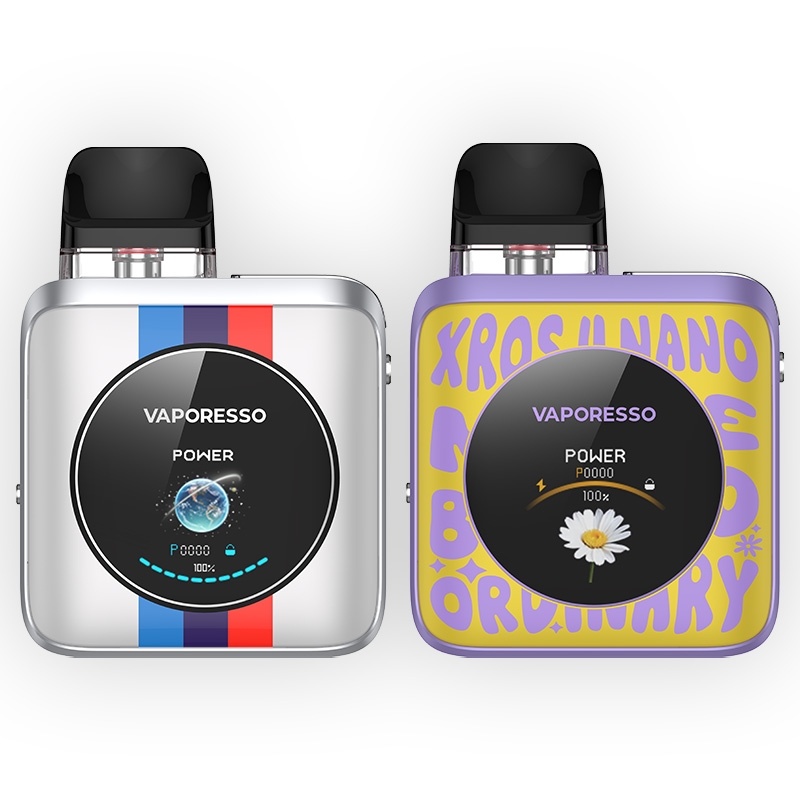
Compact mouth-to-lung pod kits typically produce smaller, more discreet clouds. The Vaporesso Xros 4 Nano Pod Vape Kit, for example, has an adjustable airflow slider that runs from MTL to restricted direct-to-lung, along with Eco, Normal and Power modes, so you can keep things tighter and lower-powered indoors.
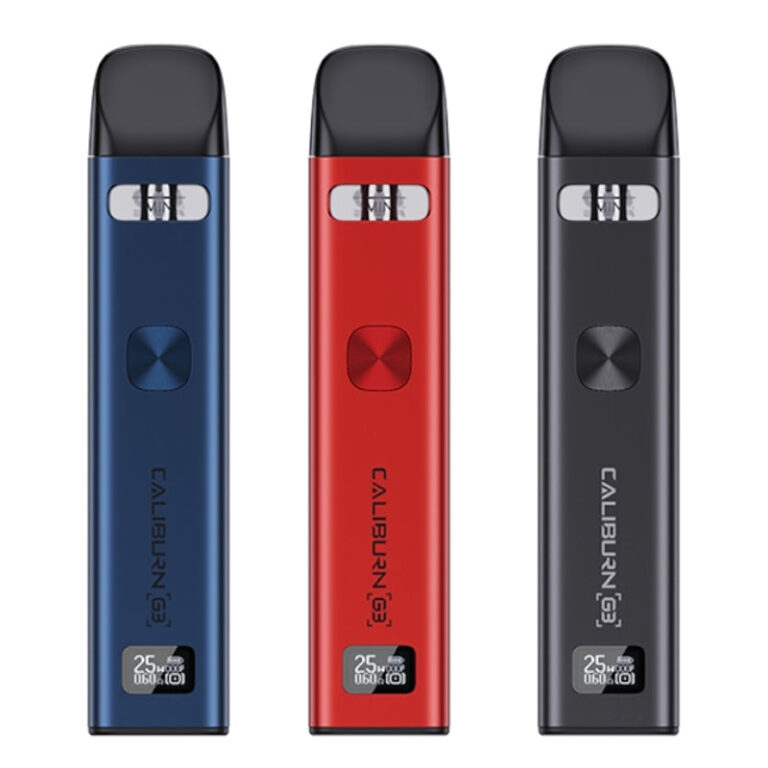
Similarly, the Uwell Caliburn G3 Pod Kit offers adjustable 5–25W output and dual airflow options for both MTL and restricted DTL vaping. Dropping the wattage and closing the airflow down is an easy way to reduce cloud size when you are inside. You can compare more refillable devices in our vape kits range.
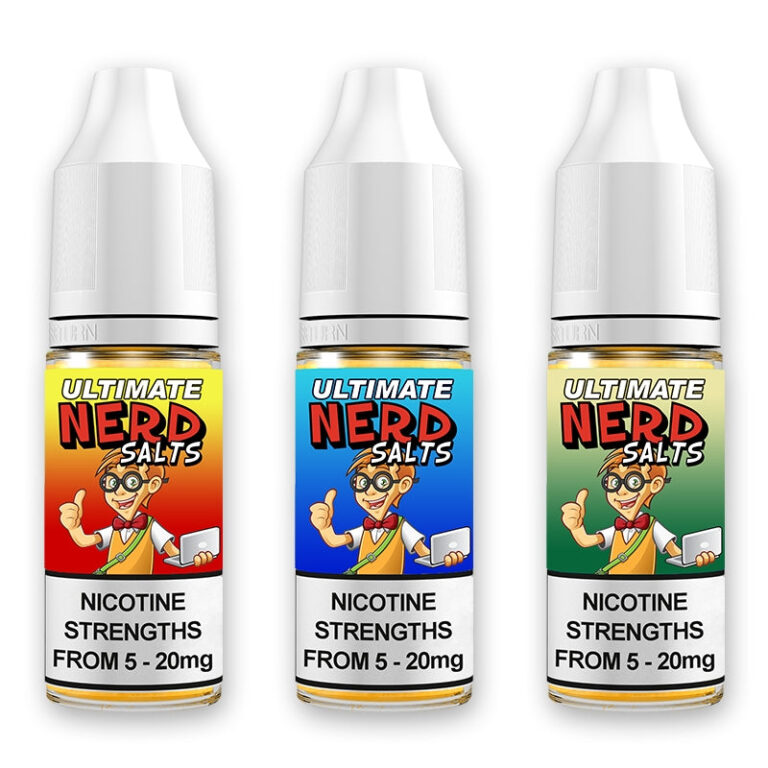
Nic salt e-liquids are designed for this kind of lower-powered pod kit. Ultimate Nerd Salts 10ml 5mg is a 50/50 PG/VG blend made for pod kits and MTL devices, so it suits a modest, controlled vape rather than big clouds.
How to Avoid Setting Off a Smoke Alarm When Vaping
If you vape indoors where you are allowed to, these habits make a false alarm much less likely:
- Keep your distance. Never exhale towards a ceiling detector. Move to the other side of the room and breathe out low and away from it.
- Open a window. Ventilation clears vapour quickly, so it does not build up around the alarm.
- Lower the power. Drop the wattage or switch to an eco mode if your device has one.
- Tighten the airflow. A more restricted draw usually means a smaller cloud.
- Choose a higher-PG or 50/50 e-liquid. High-VG liquids are built for dense clouds.
- Take shorter puffs. Long, lingering draws on a powerful kit fill a room fast.
Avoid vaping in steamy bathrooms as well. Fire services advise against fitting smoke alarms in bathrooms because steam can trigger them, and an alarm on the landing outside may react to vapour drifting out with the steam.
Vaping and Smoke Alarms in Hotels, Rentals and Shared Buildings
Vaping is not covered by the UK’s smoke-free laws, so each hotel, landlord or employer sets its own rules. Some hotels ban vaping in rooms, and their detection systems are often more sensitive than a household alarm. A triggered system can mean an evacuation and a call-out.
Always check the policy at reception or in your tenancy agreement before vaping indoors. If you are travelling, our guide on taking a vape on a plane covers what to expect at airports and on board.
Never Cover or Disable a Smoke Alarm
It can be tempting to cover a detector with a bag or remove the battery to vape without worry. Please don’t. A smoke alarm is the earliest warning you and anyone else in the building gets in a real fire, and tampering with alarms in a hotel or rented property may also breach your terms. If your home alarm keeps reacting to vapour, vape elsewhere, improve ventilation, or ask a qualified installer about a better-suited alarm type for that spot. Fire services recommend testing your alarms every week.
Since the single-use vape ban came into force on 1 June 2025, most UK vapers now use rechargeable, refillable devices. That gives you more control over power, airflow and e-liquid than many disposables ever did, which makes it easier to vape considerately indoors. Browse our nic salt e-liquids if you want a liquid suited to lower-powered pod kits.
Vapes and Smoke Alarms FAQs
Can vaping set off a fire alarm in a hotel?
Yes, it can. Hotel systems are often more sensitive than home alarms, and many hotels do not allow vaping in rooms at all. Check the hotel’s policy and vape outside if in doubt.
Will a heat alarm go off if I vape?
It is very unlikely. Heat alarms respond to a rise in temperature rather than particles in the air, and exhaled vapour is not hot enough to trigger them.
Do pod kits set off smoke alarms less than big vape kits?
Generally, yes. Mouth-to-lung pod kits used at lower power produce smaller clouds than sub-ohm direct-to-lung set-ups, so there is less vapour to reach the detector. Any device can still trigger an alarm if you exhale directly at it.
Can I vape in the bathroom without setting off the alarm?
Bathrooms rarely have smoke alarms because steam can set them off, but the vapour and steam can drift to a detector on the landing. Open a window and keep the door closed, or vape outside instead.
This content is intended for adults aged 18 and over. Most vapes and e-liquids contain nicotine, which is addictive.